People and Place:
Phippsburg’s Working Waterfronts
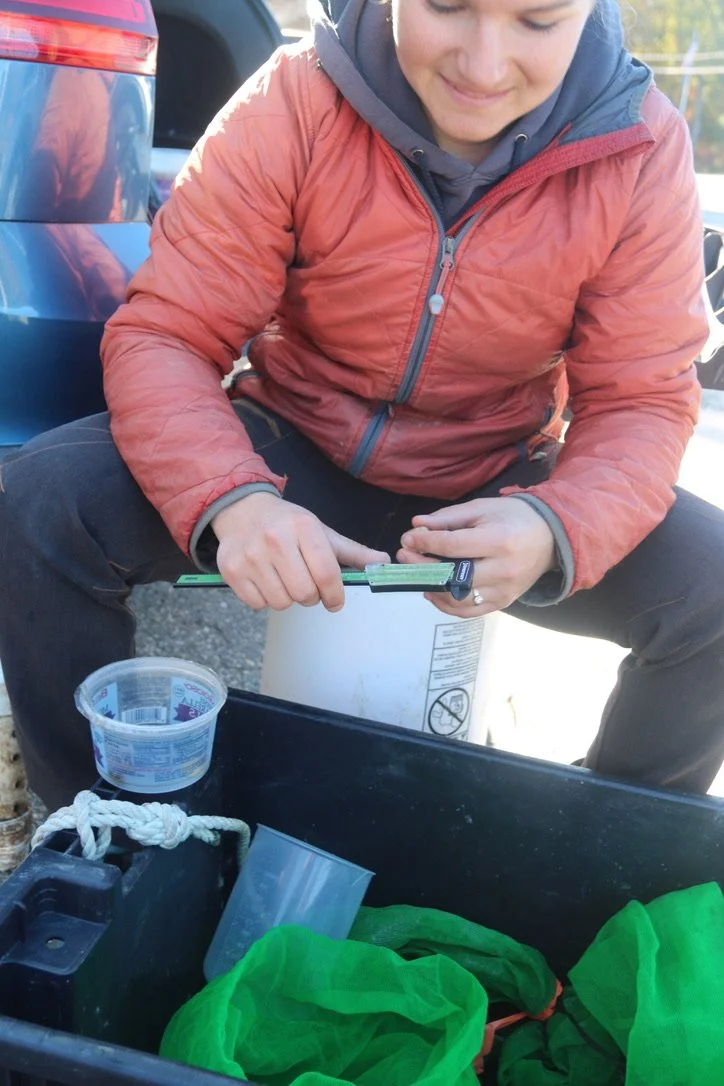
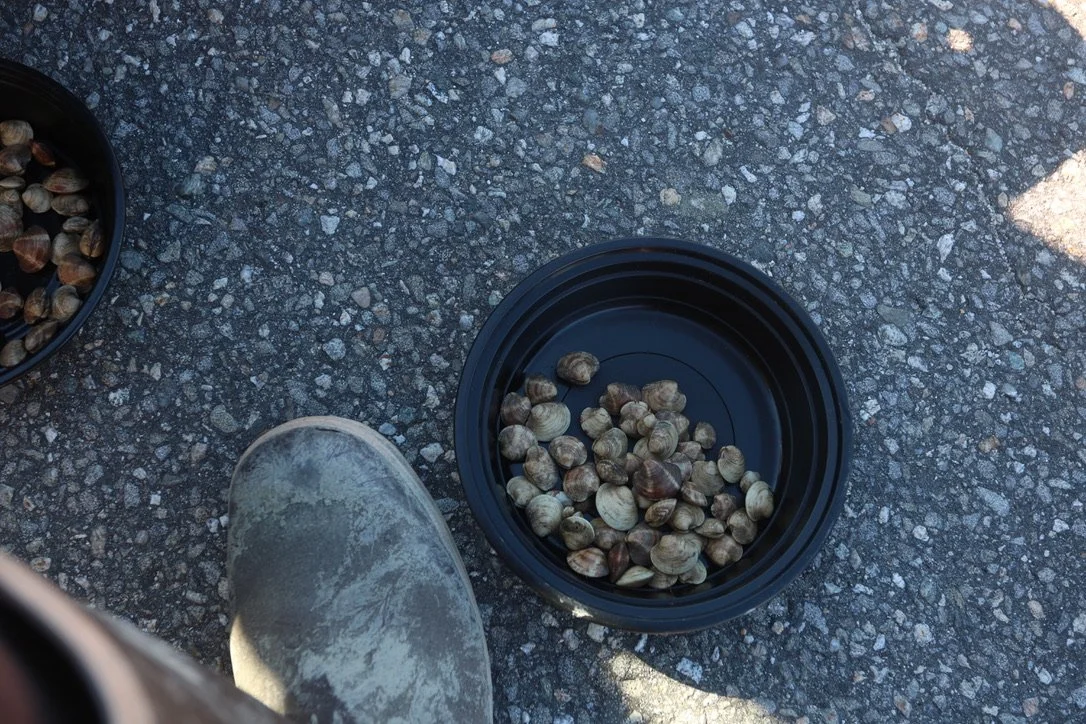
Manomet Conservation Sciences is a longtime partnership of midcoast clammers. Here, Fisheries Project Manager Jessie Batchelder measures quahog spat.
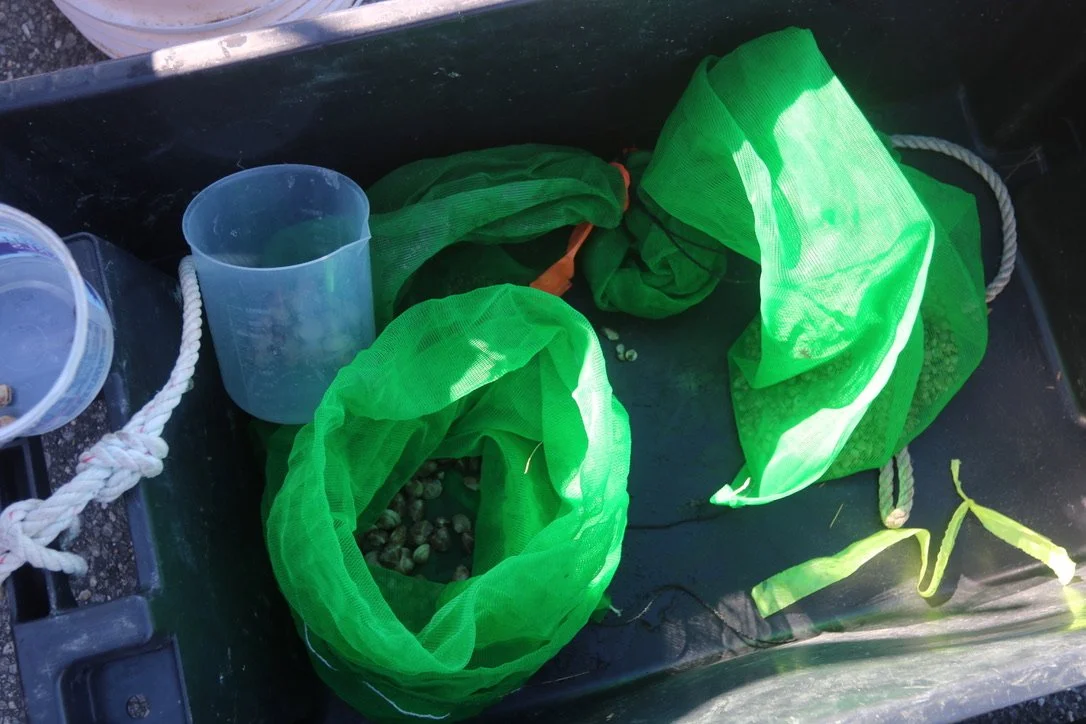
Quahogs are a hard shell clam and are more resilient than soft shell clams against green crab and other benthic predators.
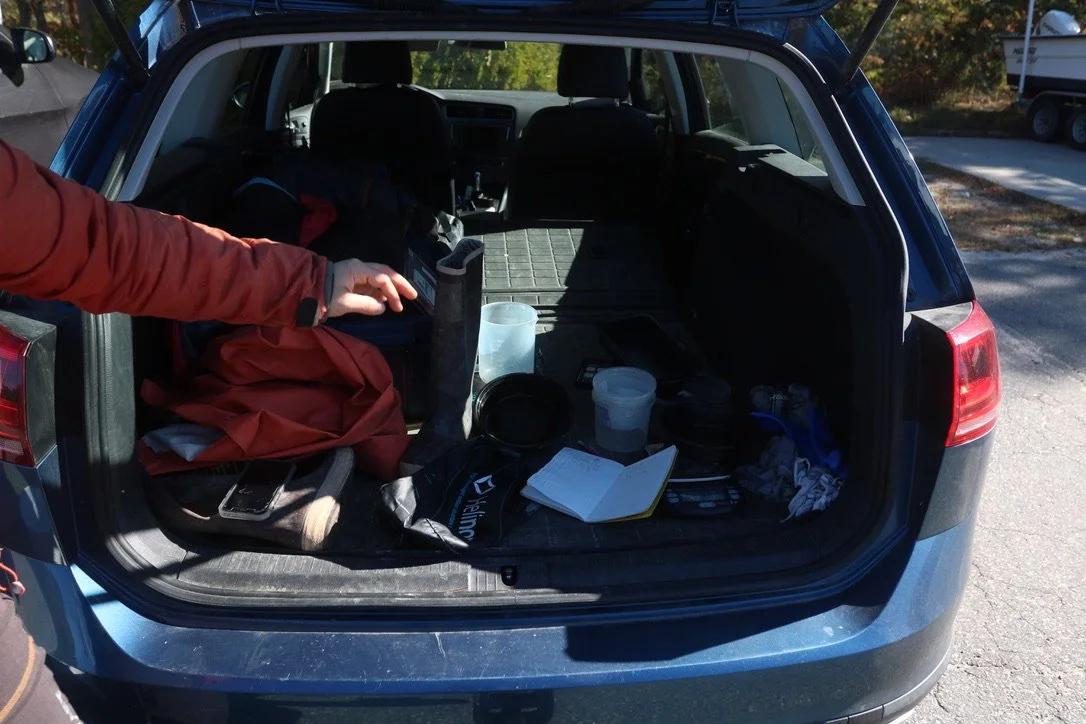
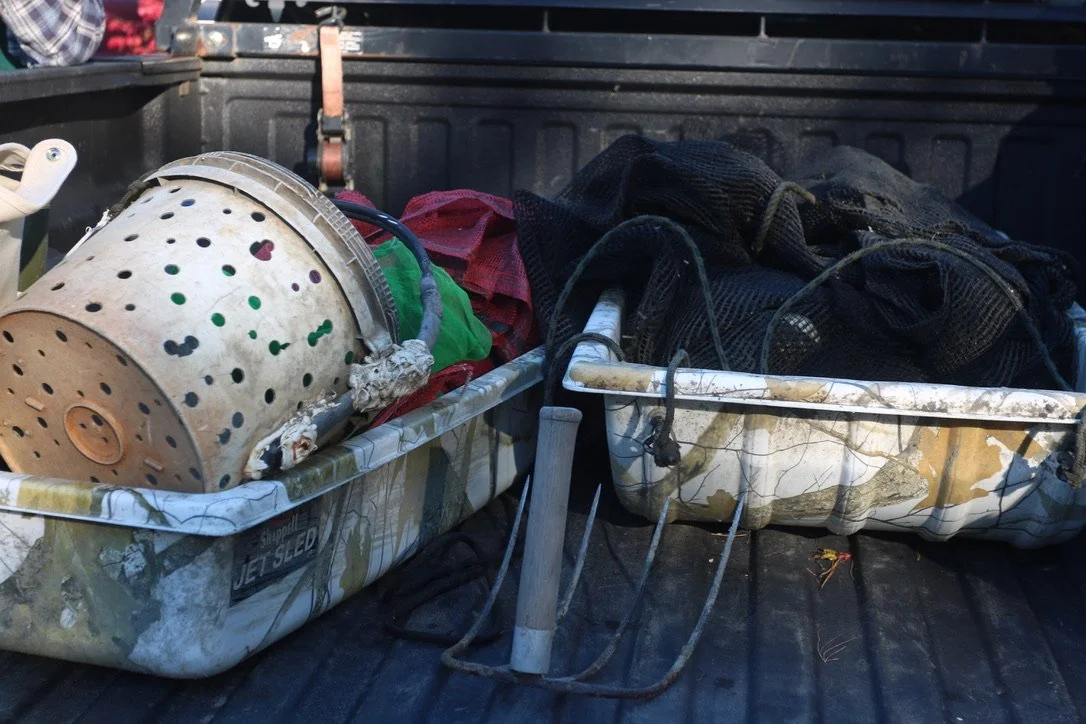
Dynamic science and conservation take all types of people, tools and hatchbacks.
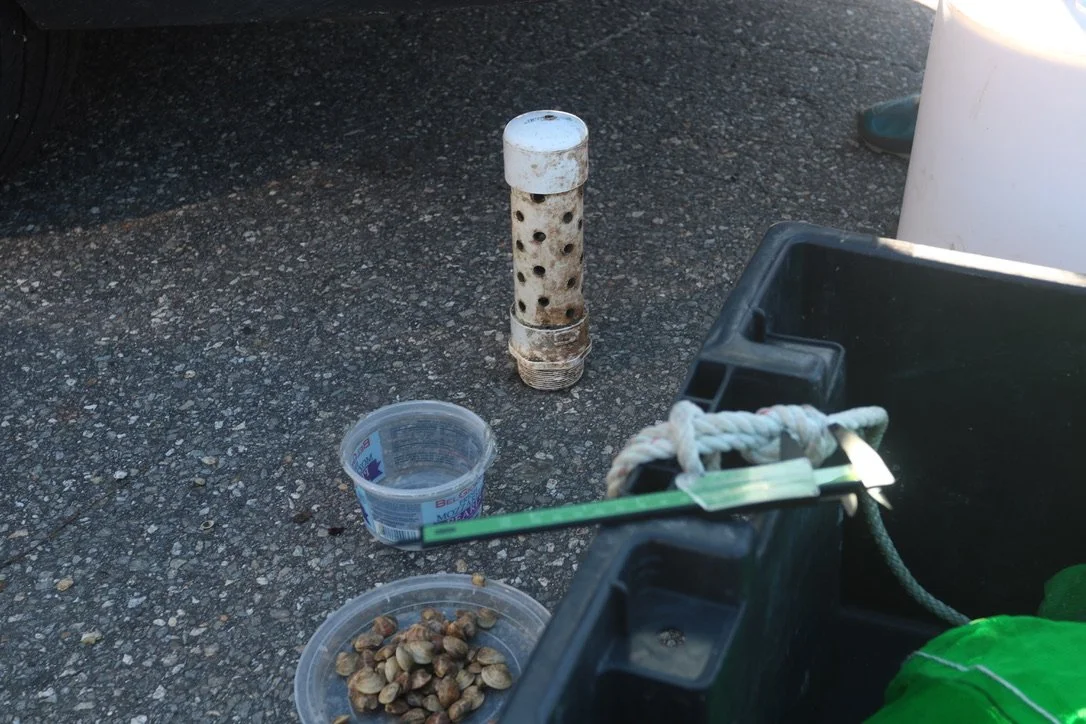
The quahog spat were grown over the winter in a New Meadows hatchery.
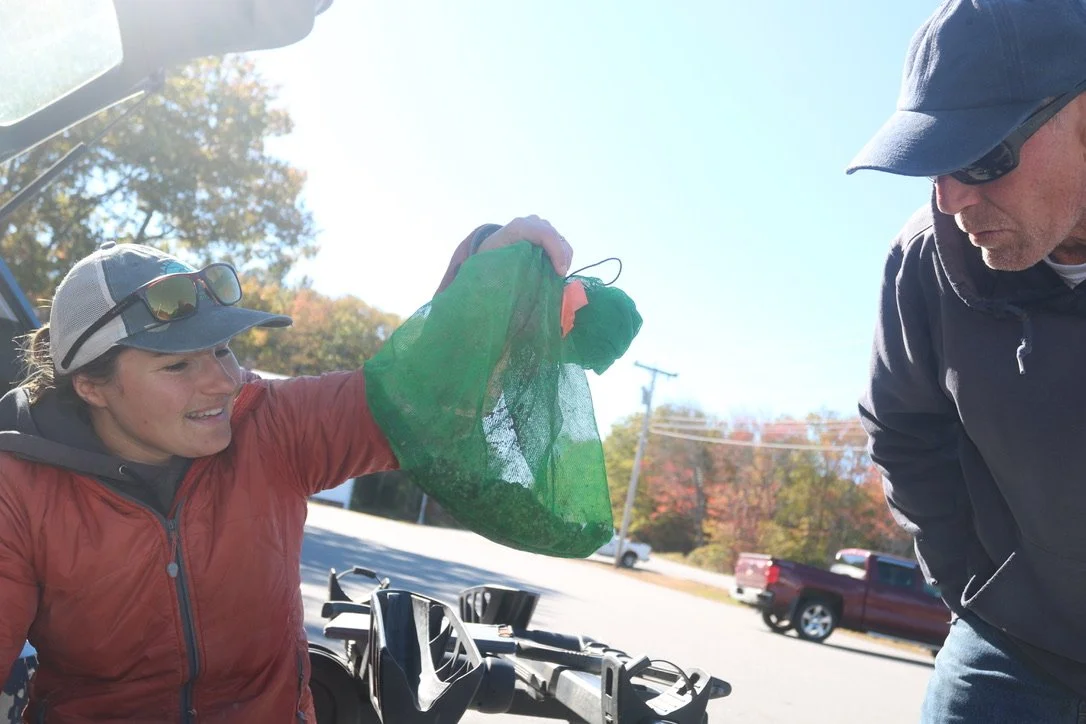
Jessie hands the quahog spat off to Phippsburg clammers, who will trek out onto the flats to "plant" the spat, a necessary part of this long-term research on the possibilities of future quahog harvests. Here, Troy McNeil takes a look at the spat.
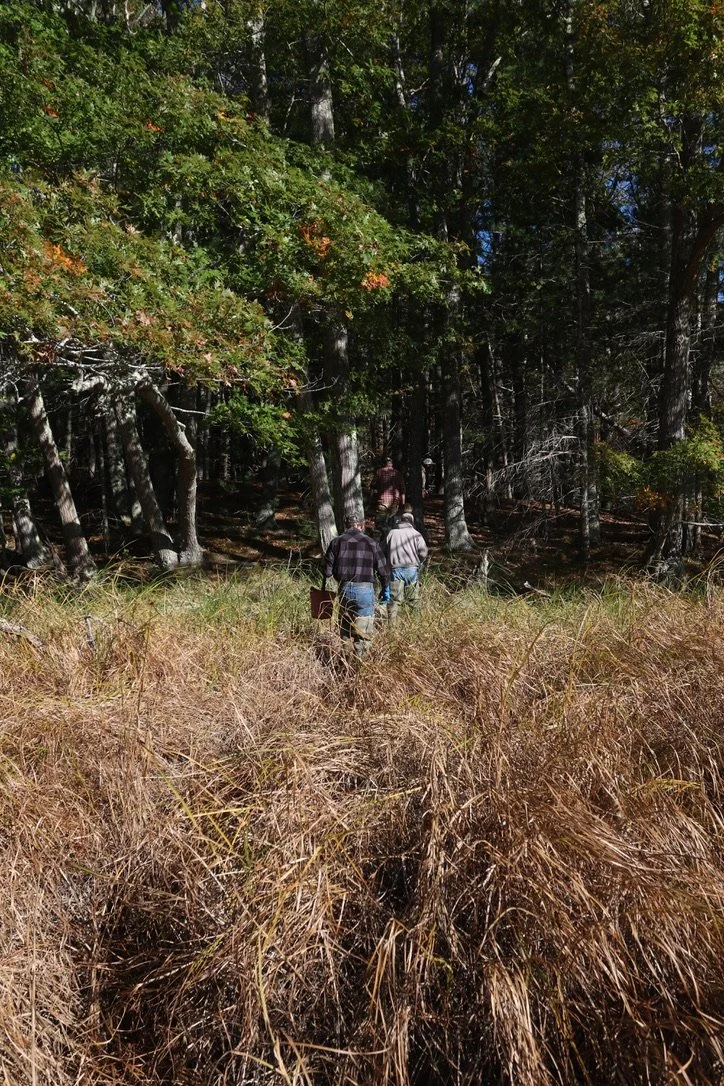
Beginning the long trek out.
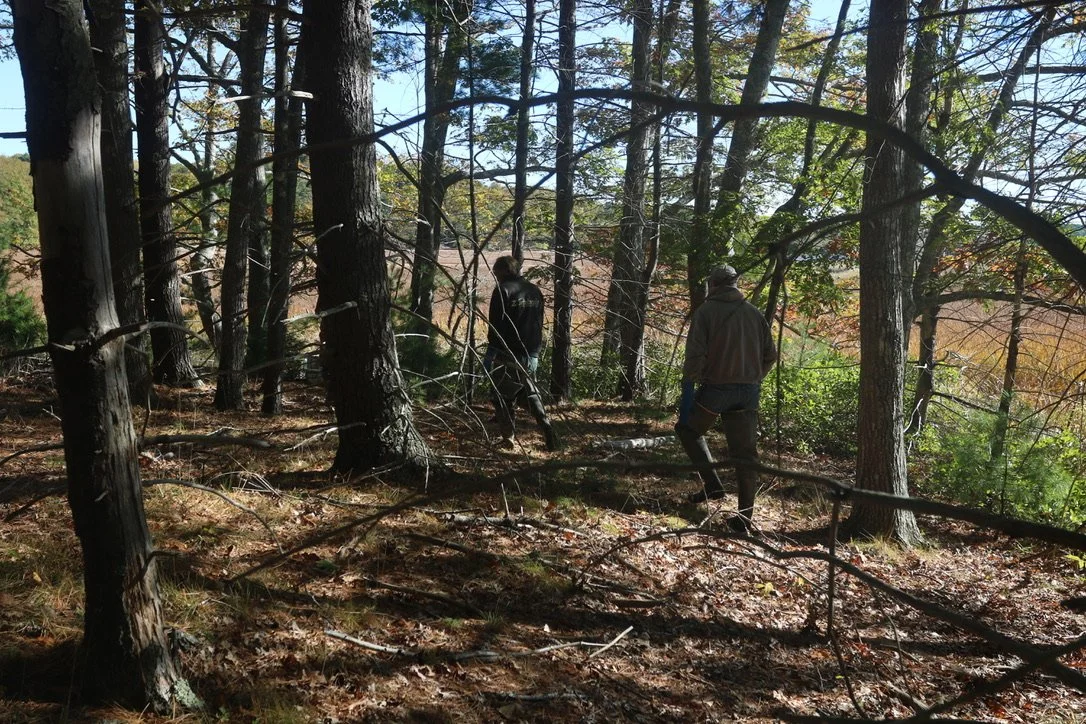
It's a pleasant trail, albeit a long commute to work.
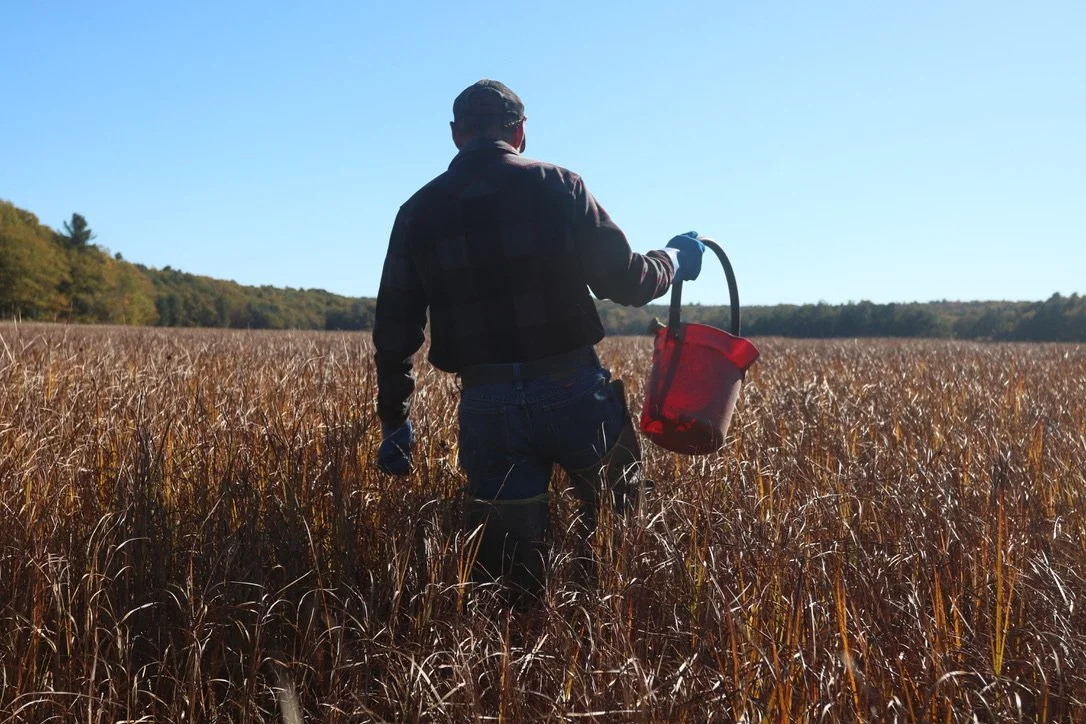
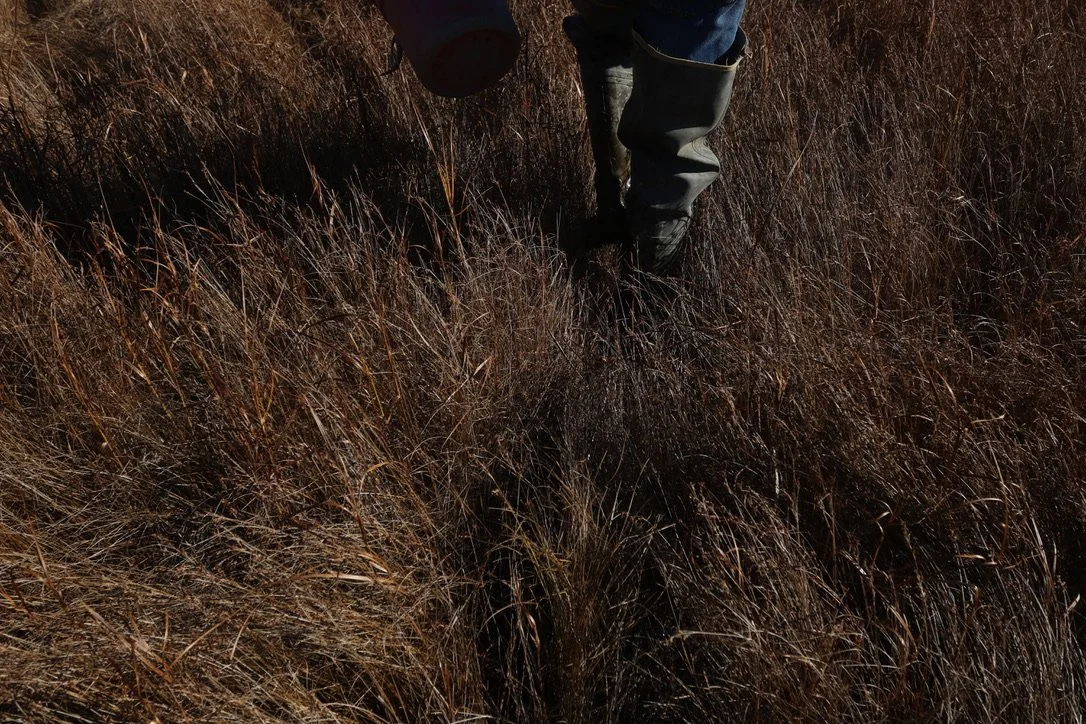
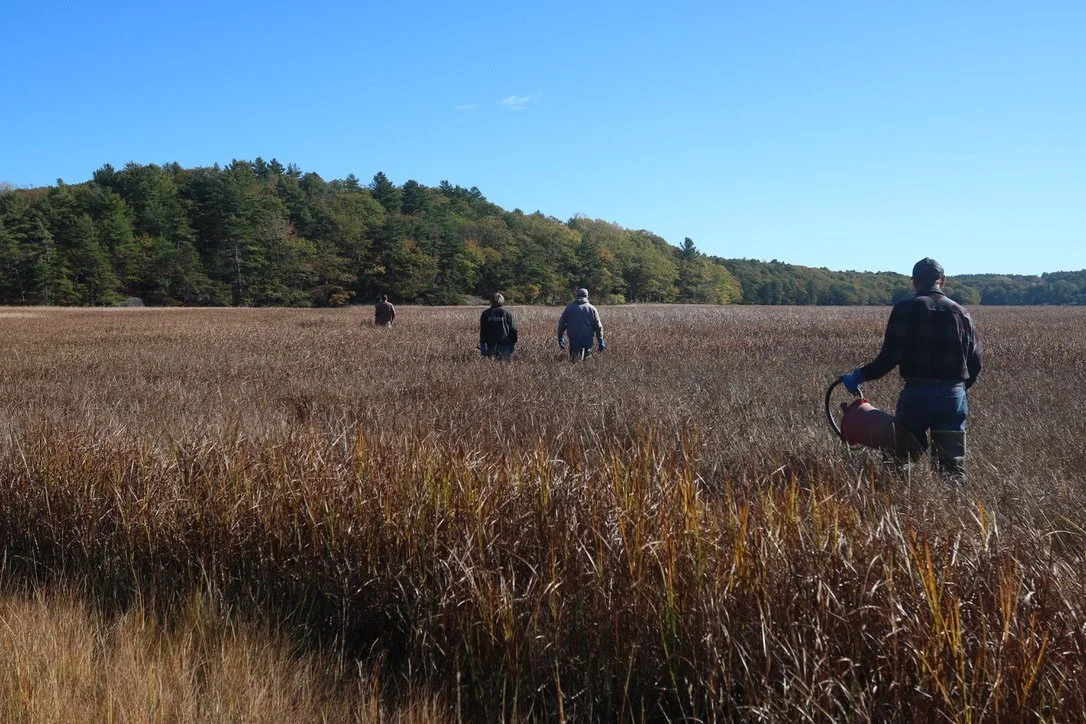
Getting out to the flats is tricky, somewhat arduous.
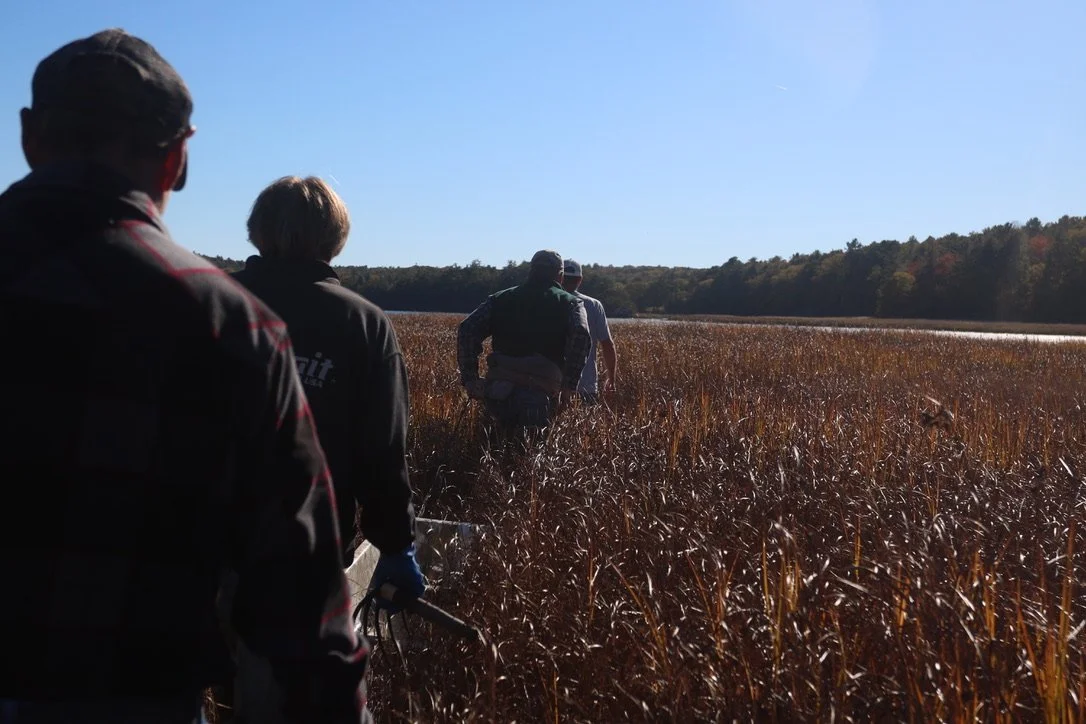
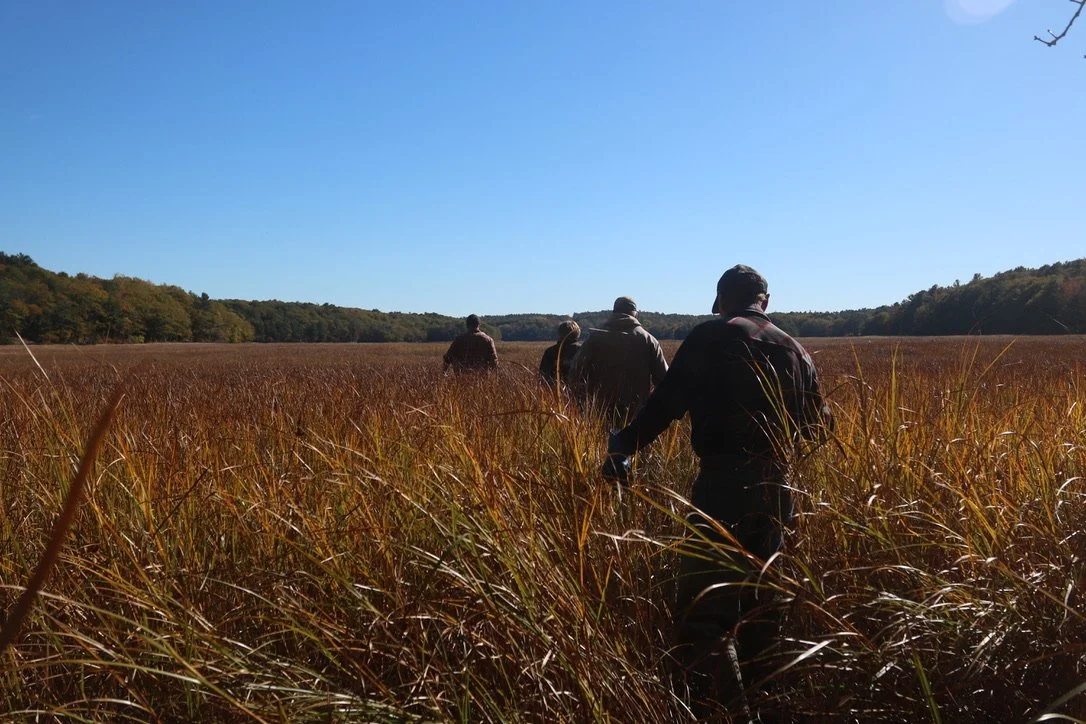
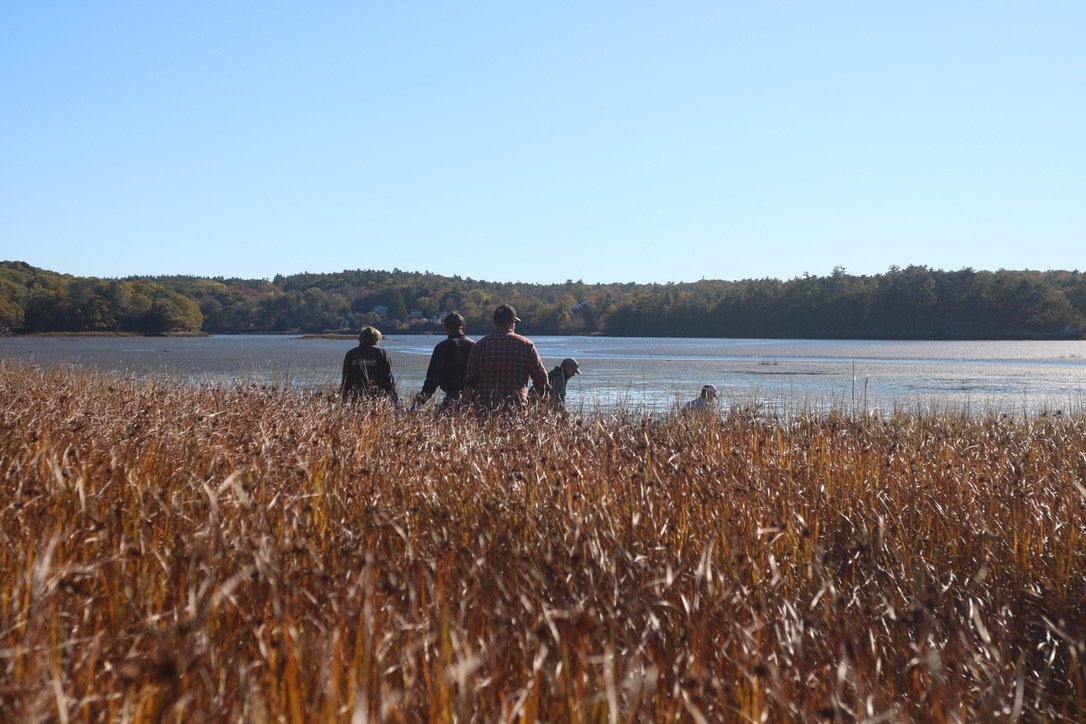
The clammers weighed the timeline of tides against the logistics of boat-use. In the end, they opted to walk a couple miles, through forest, salt marsh and finally out into the mud.
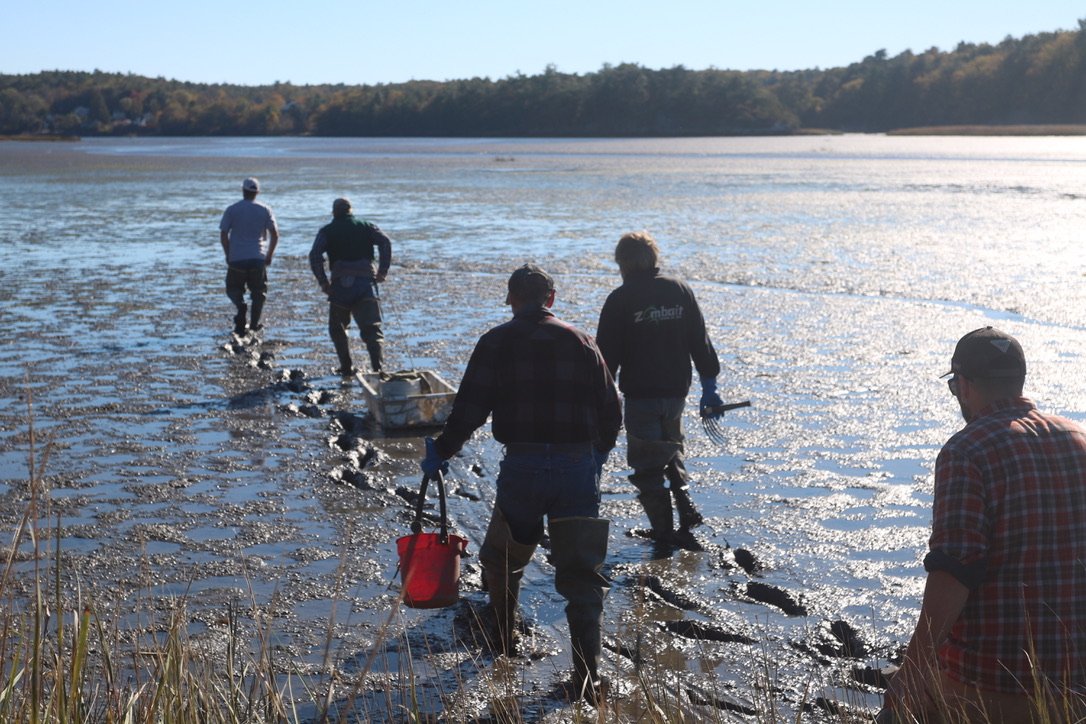
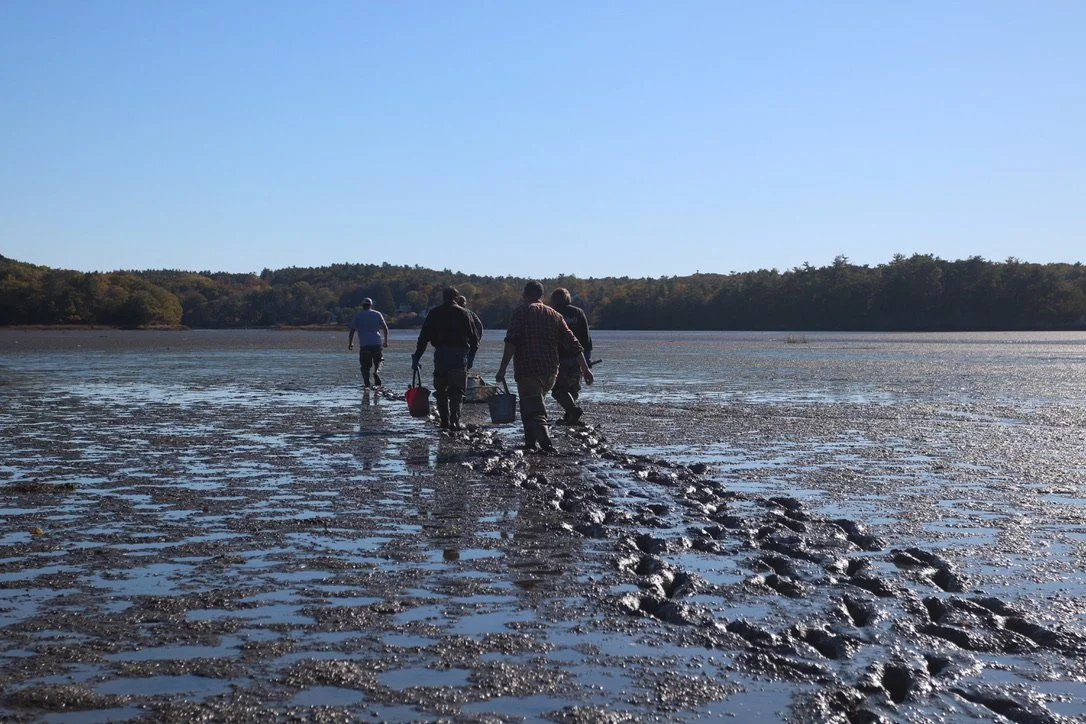
They walked.
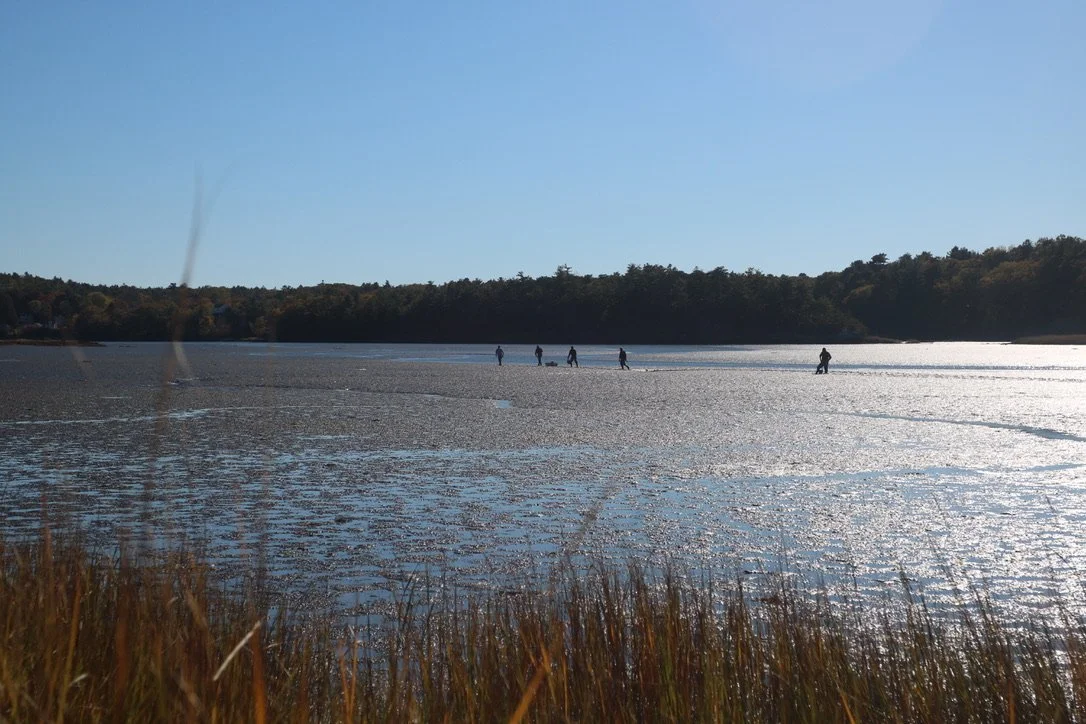
(And walked.)
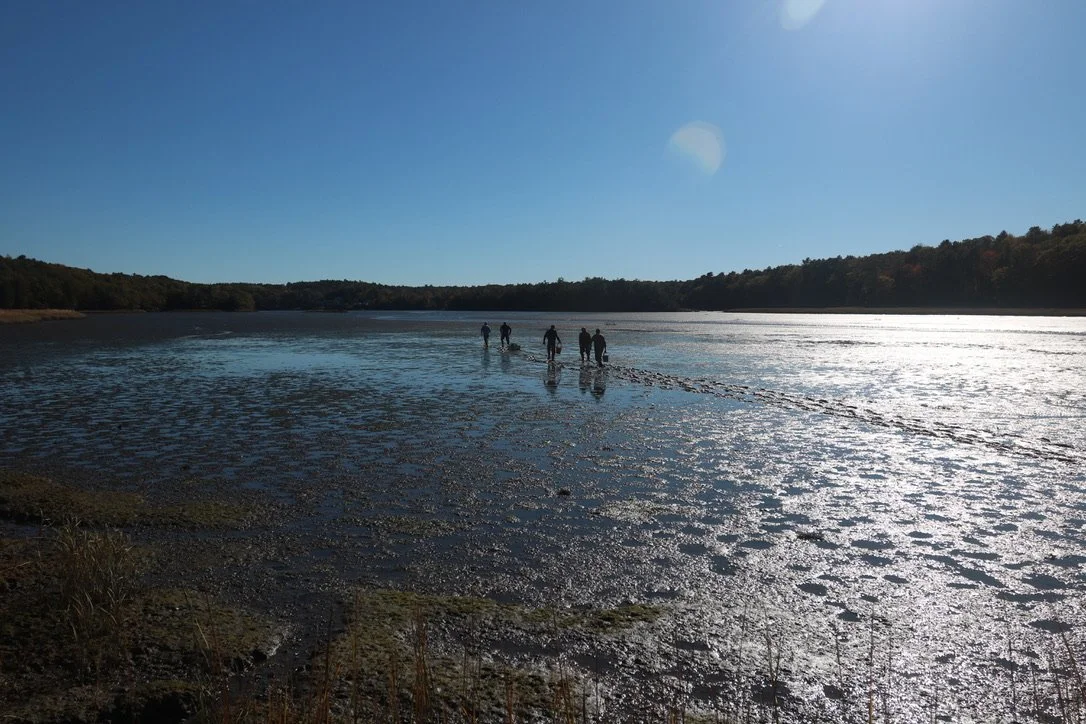
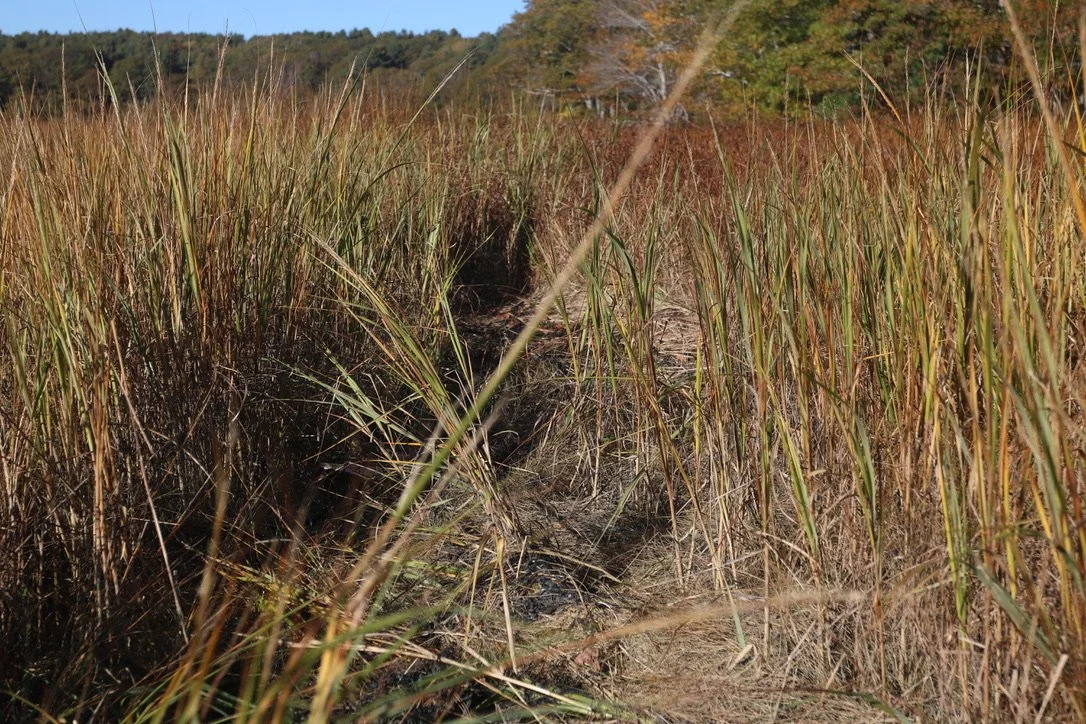
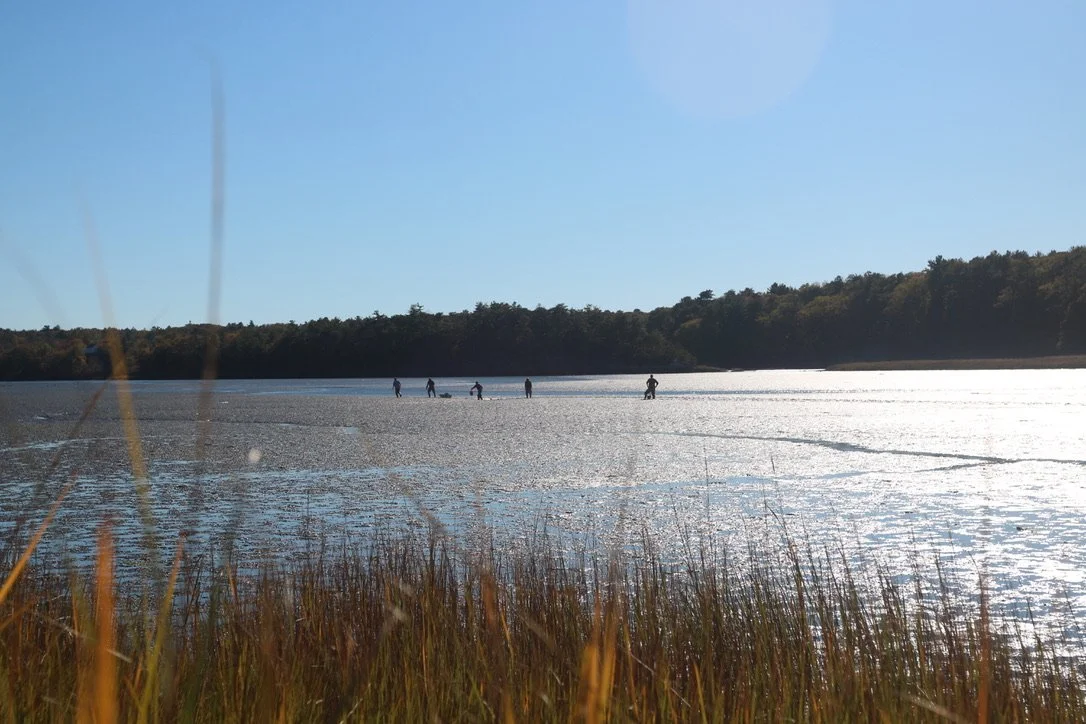
They walked until they disappeared into the distance, too far for me or my camera to follow or find them. Thankfully, now I have waders and can struggle along behind them.
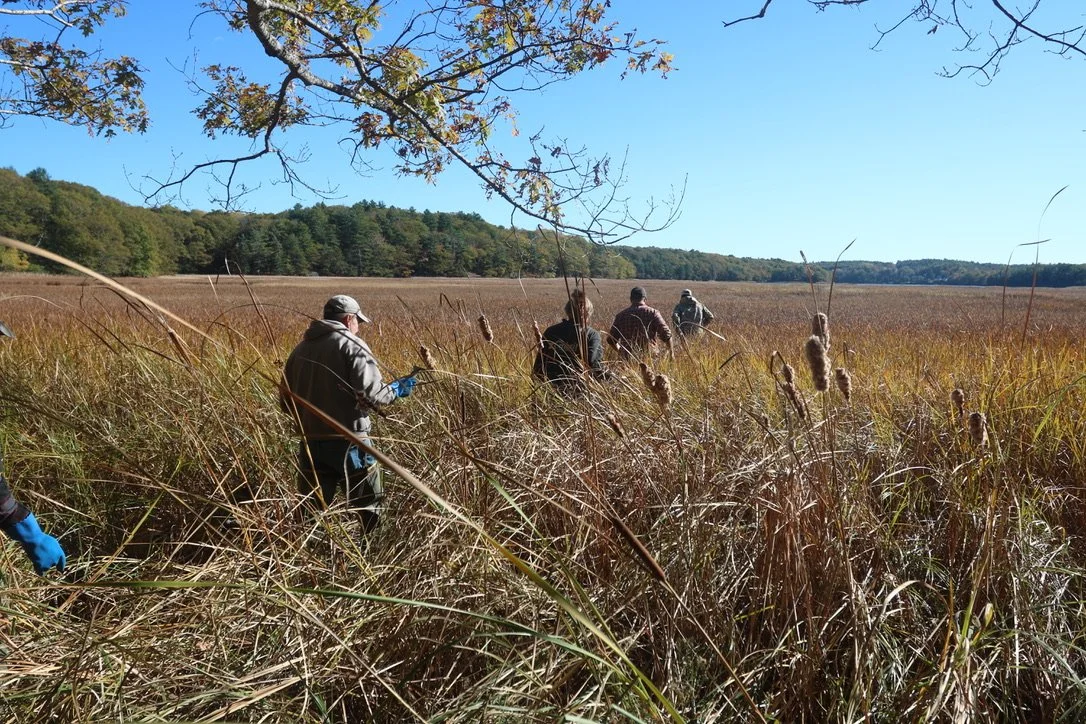
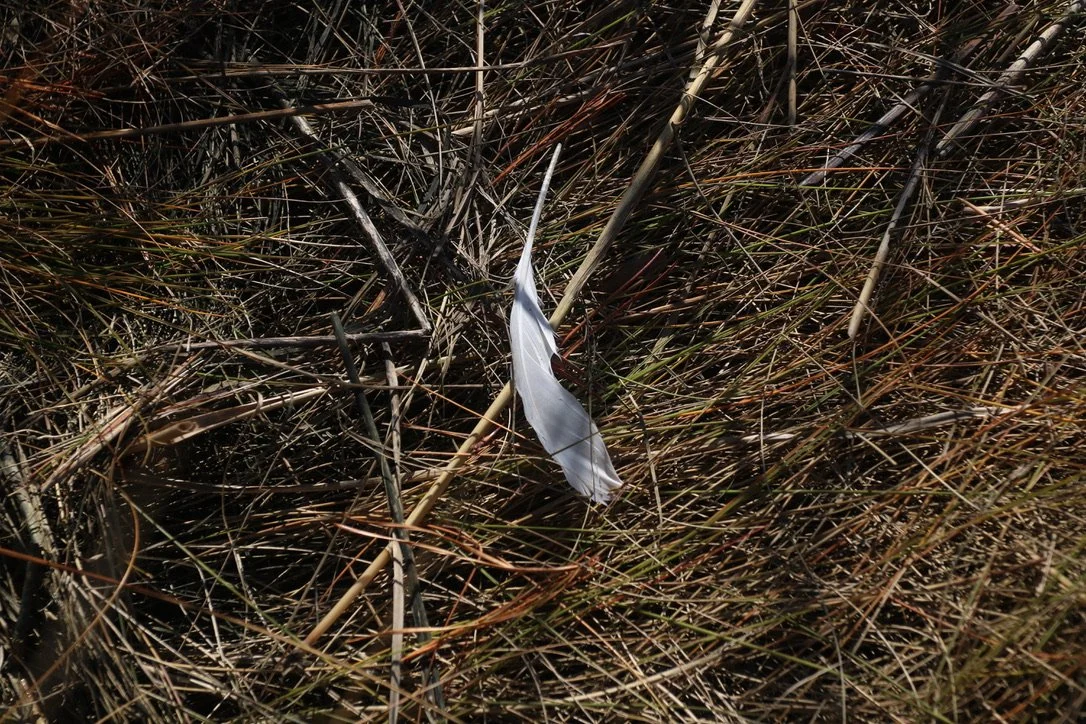
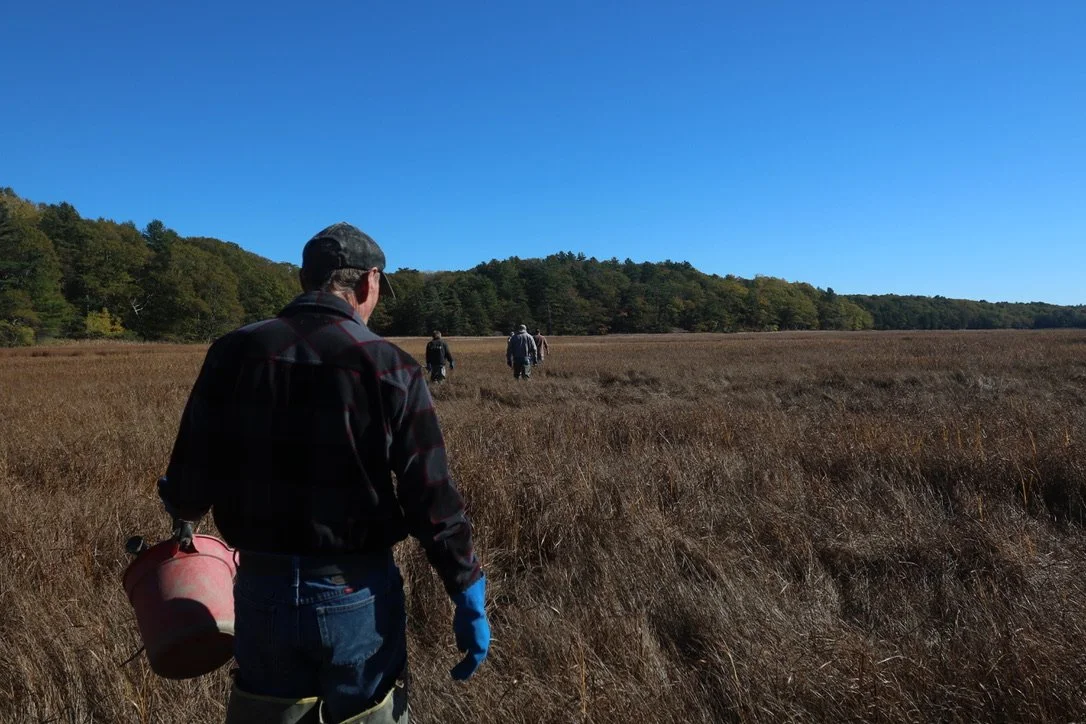
Both times I've been out to the flats with Troy, he makes sure I'm following his footsteps, that I know how to move in this inherently tricky space of grass, mud and surprising hole. It's immensely comforting guidance!
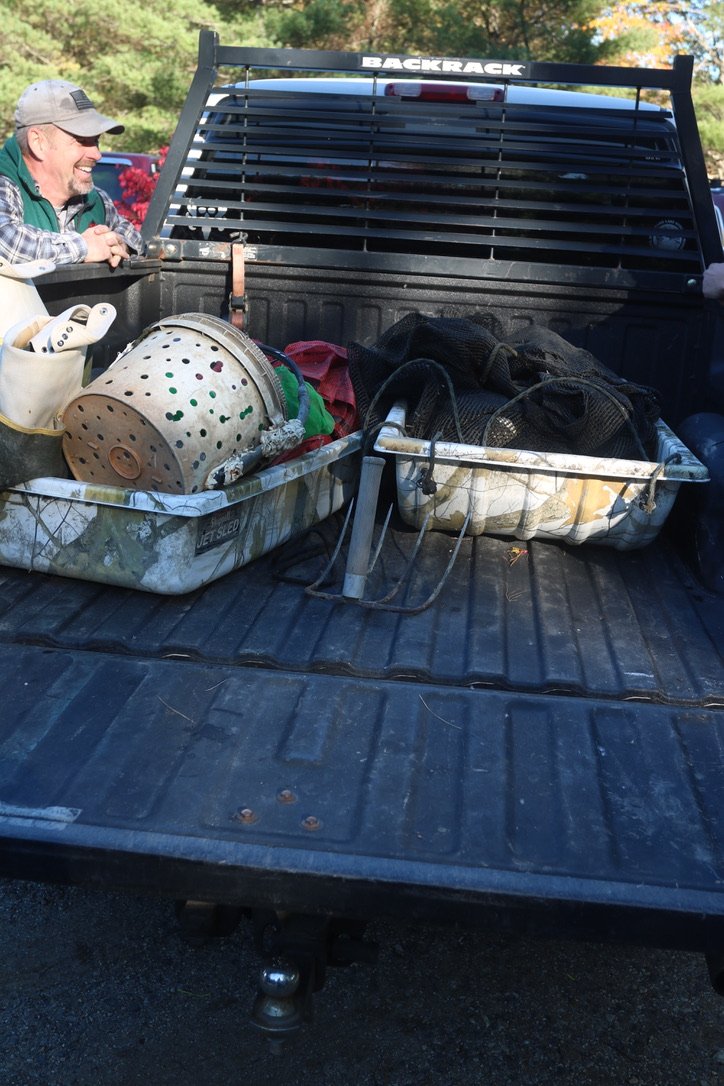
At the end of the day, the best tools for science, conservation and harvest have many overlaps. They're the tools that the tests of time have shaped, tools passed down through generations. And now, though our world is certainly changing, the material that we move through and the bodies that we move within haven't shifted all that much – the best tools often remain, simple and effective, as the weird complexities of the systems and the questions around us morph.