Tangled Industries: 2
Here is the second bit of this month’s longer-than-usual blog. It’s a snowy day and a good one for writing.
Part 2
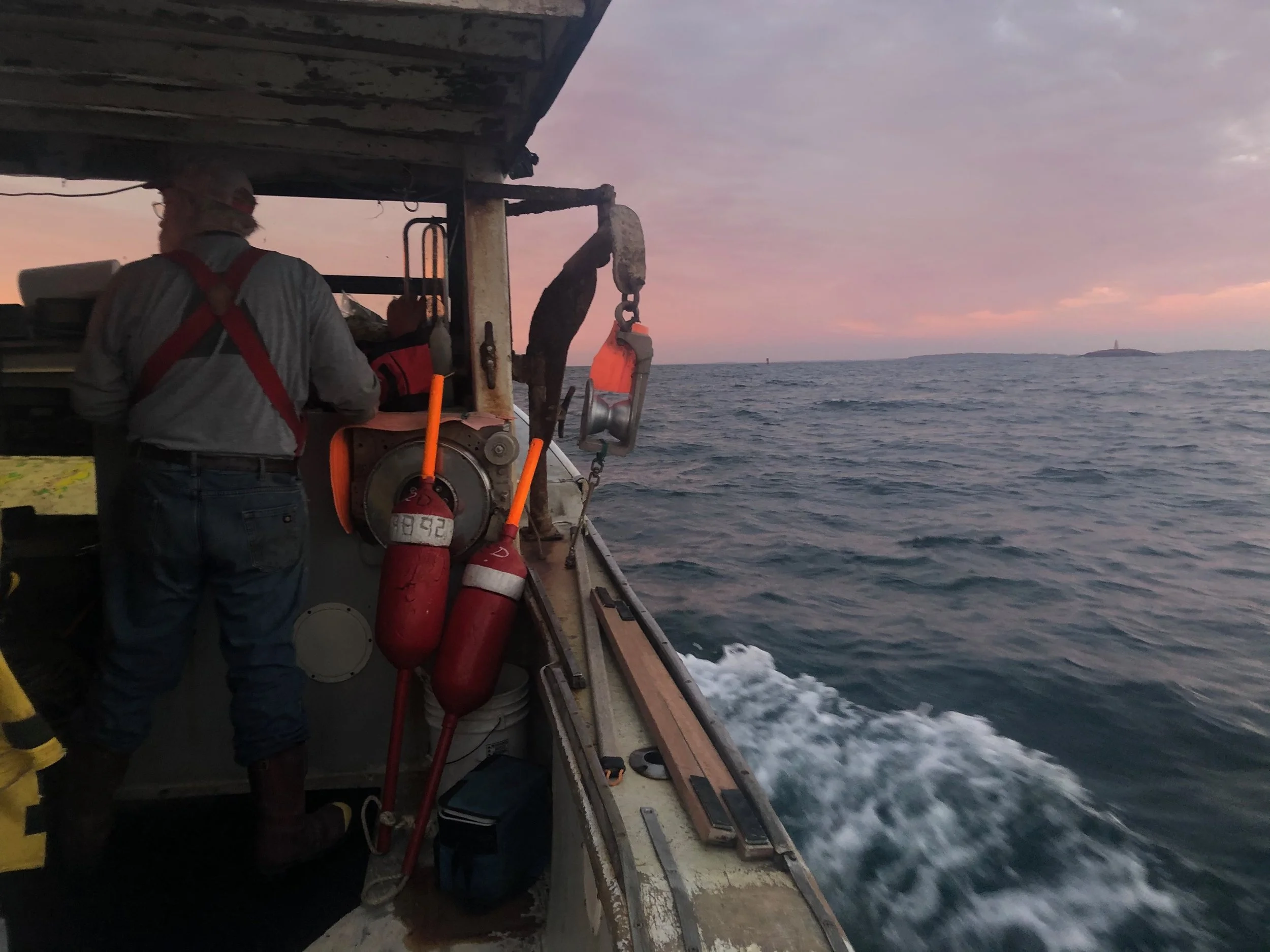
AFTER ALASKA, I moved back to Maine for a year. I wasn’t ready to leave the water yet, but after several years of taxing work up in the Aleutians, I was craving a little less transience. So I hopped over to the commercial side, and sterned for George Coffin out of Bailey Island. That year spent hauling remains one of my fondest.
We would stop hauling to watch whales breach in summer. I warmed my hands in the hotpot in winter. Sometimes, on back-to-back hauling days, to avoid the hour drive inland, I’d camp out in the woods up the road from the wharf, and boil crab or lobster for dinner. Like I said in Part 1 of this blog, I think I started advocating for fisheries so furiously because working on the water was the first time I felt really at home. When fishermen say they don’t want to do anything but fish–I get it. I miss the water and the work all the time.
After hauling, I went to grad school at the University of Virginia. I studied and taught creative writing. The running joke was that I only wrote about “fish and money.” It’s true: All the writing I’ve published is trying to get at the surreality of modern marine economies. I shaped syllabi around extractive industries, probably boring some students, but letting others share their own experiences of work and life in new ways.
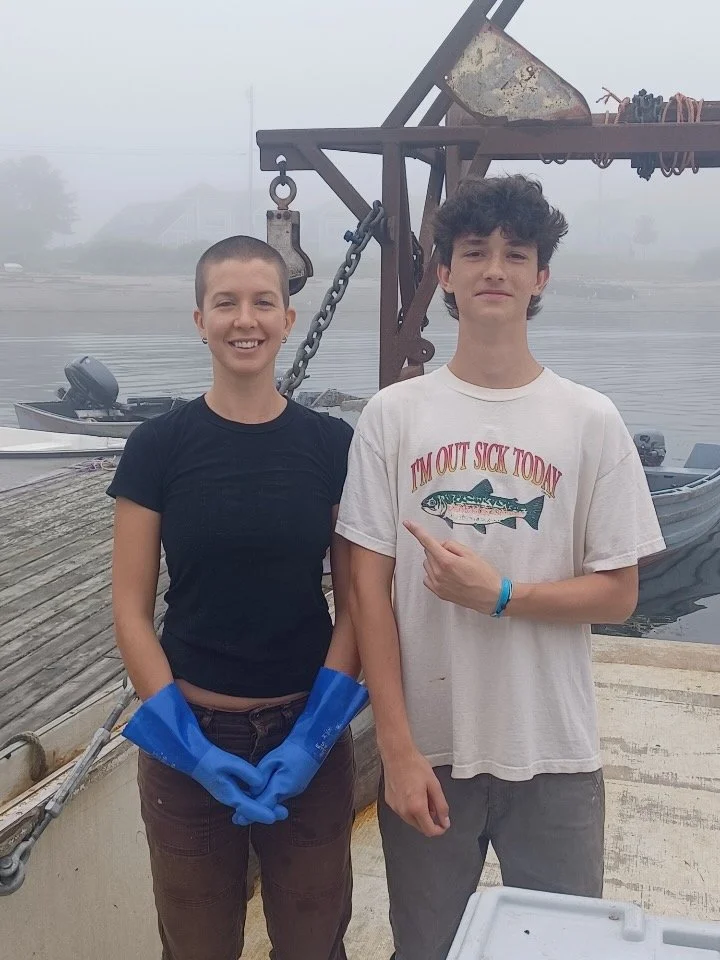
After that graduate degree, I spent last year on a Fulbright in Newfoundland and Labrador, studying and writing about the North Atlantic cod fishery.
THAT 500 YEAR-OLD fishery spurred European colonization of this continent. It was more a bid for early modern global military control than it was a pure harvest.
You could compare that frantic expansion of empirical fisheries to the 20-century space race. Or from an ecological standpoint–the nuclear arms race. A race to achieve the capacity to do the most destruction, and thus to control the most, before all others.
THE INUIT, THE INNU, the Mi'kmaq, the Southern Inuit of NunatuKavut and the Beothuk have lived in Newfoundland and Labrador for thousands of years. Trade and harvest proceeded at rates that generally avoided ecological crashes–or at least ones of the magnitude that the colonial cod fishery would prove to make.
I lived in the small city of St. John’s. From nearly anywhere in that urban center, you can walk a couple miles, and end up on exposed cliff sides, deep in wind-snarled forest, with huge waves crashing below. It was an awesome place to explore. But even with a propane-heated apartment, a big grocery store and a car, it was a tough place to live.
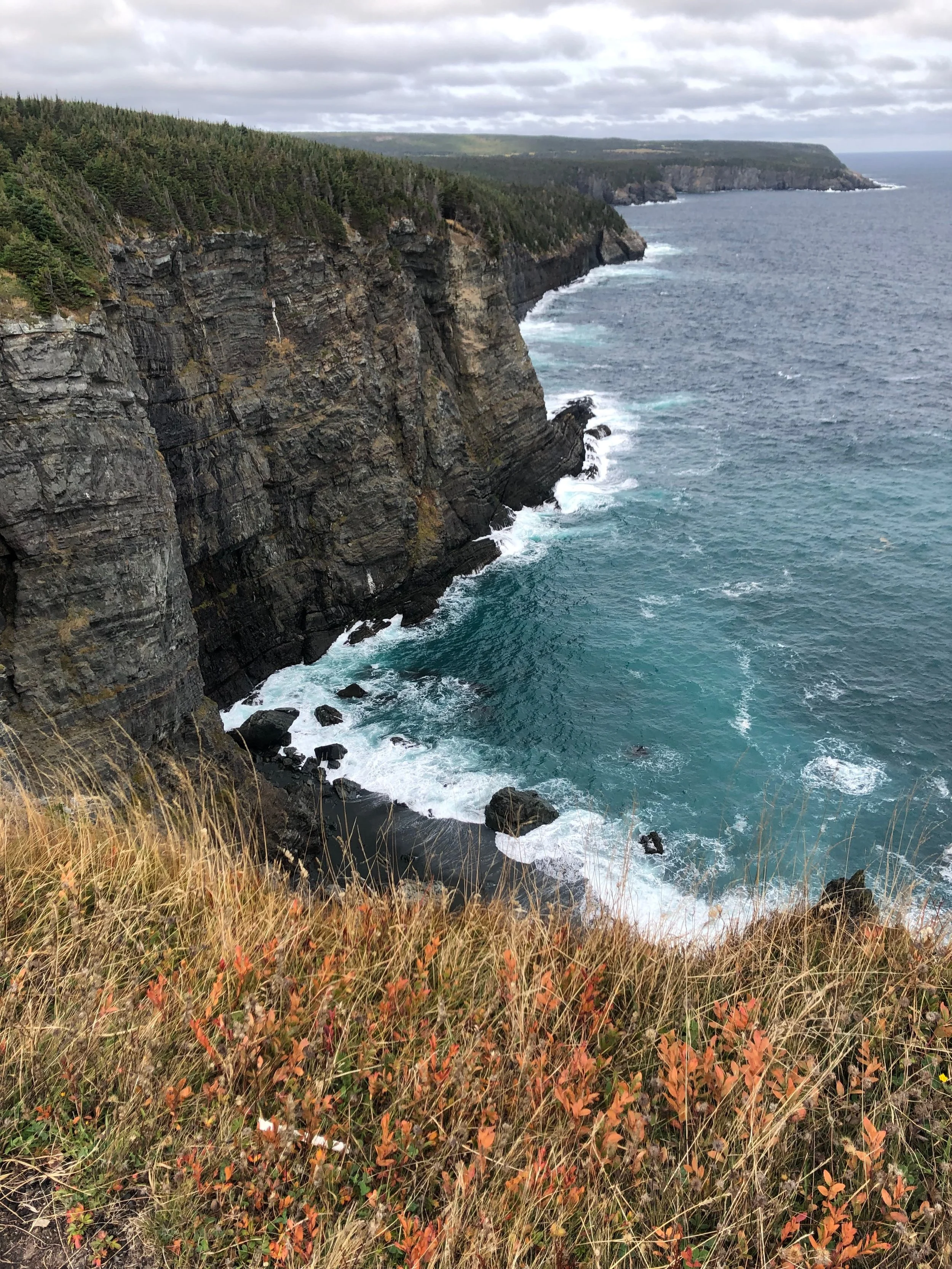
View from Red Head Cove, NL. Beautiful, but tough.
The colonized outports of Newfoundland and Labrador relied heavily on merchant capital. Without deep generational knowledge of harvest seasons, cycles, and the broader support of a large community, those early European immigrants struggled to survive.
Many of the European fishermen were impoverished before they came to that wind-blown shore. The North Atlantic cod fishery was considered “a nursery for seamen,” one that would extract labor from impoverished peoples, fish from the ocean, and turn it all into capital to fuel the giant race of spreading empires.
This organized reliance on overseas merchant capital meant that though the fishermen deposited into those tiny outports could often see the unsupportable nature of the harvest, they were unable to slow their fishing. Without fish caught, the merchants they relied on would not provide them with their winter’s “truck”– a debt, essentially, paid out in dry goods, to carry them through the winter until the cod returned.
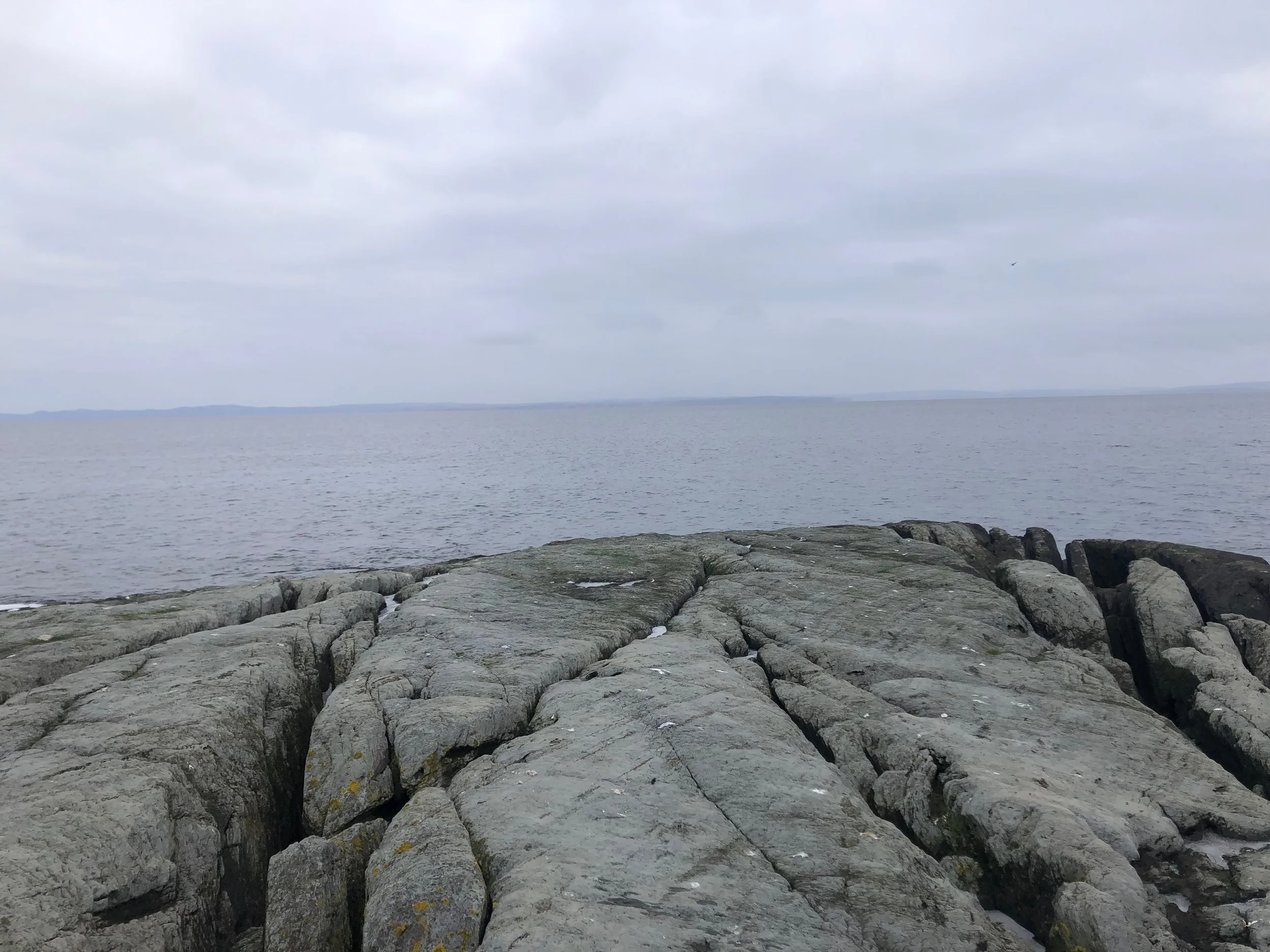
Drying cod en masse required big, stony shores and beaches, places to haul boats and catch to land and room for fishing families to work together, curing the marine commodity.
(There are, however, amazing examples of fishing communities that did protest, advocating for better regulation. They were typically shot down by the desires of the merchants. One such example of an attempt to maintain a “moral economy” involves a multi-day, fishermen-led protest march that collided with the deafening propaganda of local newspapers, which relied on the big money of big harvests to survive.
That being said, Petty Harbour, NL, is a fishing town which still, hundreds of years on, only allows handlining in its waters. Handlining is not as efficient at catching lots of fish at once as dragging is – and this is the point. It also saves the cod flesh from the bruising that dragging causes. I went out with the fishermen a few times, and felt the incredible nuance of handlining–you get the sense of the creature you have caught, at the other end of the down, down there in the benthos.)
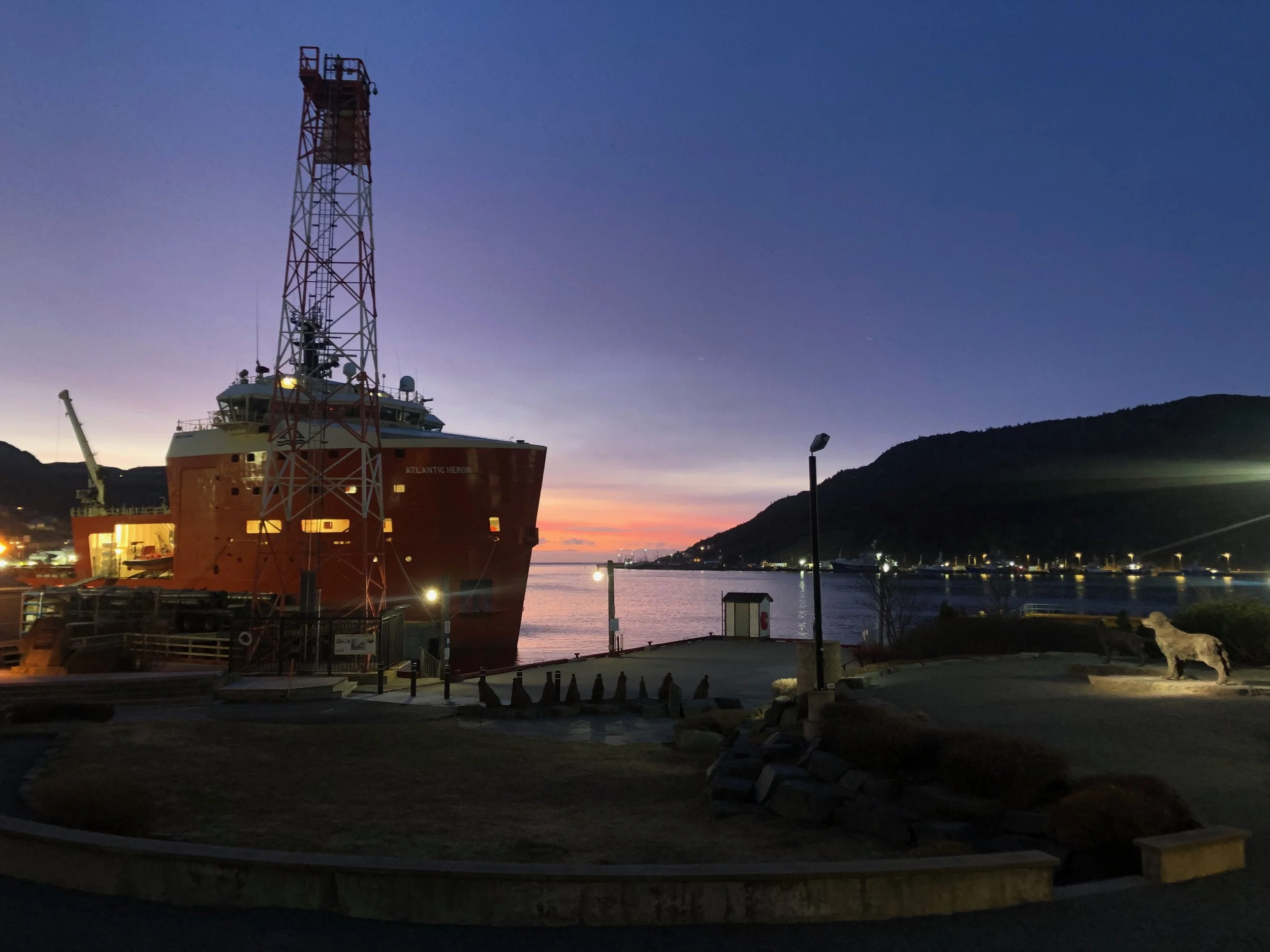
Today, St. John’s is a highly active international port.
Though there were crashes throughout the cod fishery’s entirety, when “improvements” in fishing technology led to overharvests of the cod population, constant advances in fishing technology smoothed over the reality of a constantly declining cod population. This leap-frogging of harvest and technology is a familiar trend, and it can lead to disastrous mismanagement.
NEW ENGLAND, OF course, shares water and history with maritime Canada. Cod fishermen, markets, habitats and fishing technology all drift on the same, big North Atlantic currents.
Phippsburg’s longest residents, including the Wabanaki, have been fishing cod for the entirety of the Holocene. I live, work and write this blog on an unceded coast that has supported human societies for thousands of years.
Just a few hundred years ago, European colonists described seas so full of cod one could walk on their backs to the shore. What would those past people think of our marine waters today?
If you talk to longtime local fishermen, you’ll hear just how recently people were still making a living dragging for cod in the Gulf of Maine. So how did a multi-thousand-year harvest accelerate in the last centuries? And what can we learn from that acceleration?
IN TERMS OF fishing, World War II accelerated a trend long in the making. With the boom of submarine technologies to scope the seafloor, “reorientation of markets, and reassessment of ocean policies,” global fishing takes–and consequent fisheries collapses–wracked the globe.
That big metal submarine ordnance that Richard Lee described knocking against the New Meadows shoreline is just one piece leftover of this large, entangled and ongoing web of industrial technology and marine ecosystem.
The post-WWII “Great Acceleration” was felt acutely in the North Atlantic cod fishery. Massive, offshore trawlers, just like the ones I worked on in Alaska, wiped out the codfish. Sure, some nearshore fishermen also overexploited the fishery. But there was no comparison to the devastation that those big boats–funded by big capital–caused. In 1992, the Canadian government put a full-stop moratorium on cod fishing.
The old families of New England and the Canadian Maritime still bear the evidence and hold the memories of that fallout. Those offshore trawlers from all over the globe could scoop and process spawning populations year-round, as opposed to the earlier, near-shore handliners who had to wait until cod followed the spring and summer prey.
The trend was global: Across the continent, in 1993, in an area of the Aleutian Basin now known as the “donut hole” a significant pollock population was declared nearly eradicated, and an international fishing moratorium was put in place there, too.
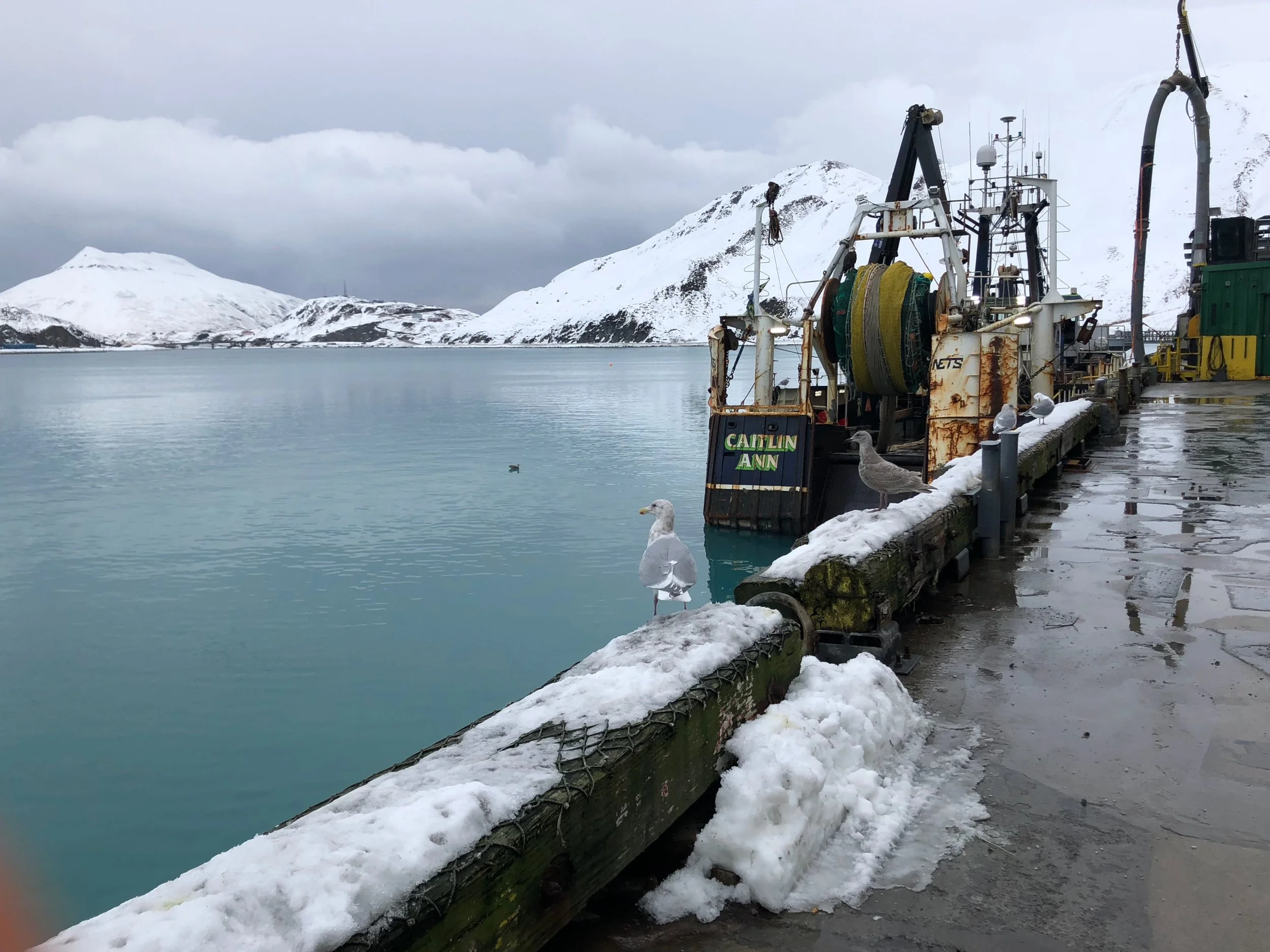
Winter contract on a smaller (120-foot) vessel in the Bering Sea, offloading pollock at Westward Seafoods Shoreside Factory. This was a catcher vessel—or a vessel without a factory to process on board. Trips on this sort of boat were shorter, just a few days at most.
NEWFOUNDLAND AND THE Aleutians gave me perspective. I got a better sense of the realities of boom-bust economies and ecologies–realities that every coastline experiences, but that are so often obscured by residential development, “beautification,” new industrial waves, or simple distance from the eyes of the brunt of consumers.
It was almost like seeing through a mirage. I’ve carried that sensation with me to all the other places I’ve subsequently lived, worked, and written in, including here in Phippsburg.
I know, I know! I sometimes go on (and on) about these patterns. If you want to know more about the strangeness of this moment in fisheries history–please reach out! It’s fascinating and enlightening.
I’ll send the third part of this blog in a few days. In it, I’ll ramble on a bit more about how fisheries, global military, and shipbuilding have always been tangled up here in Phippsburg, and how, in 2026, we’re still part of a global web of constantly circulating ecosystem, policy, economy, and culture.
And don’t worry–I’ll get more upbeat. I’ve been thinking a lot about the amazing work so many people are doing across this globe to create language, laws, and new modes of protection for a more sustainable future.
It’s work that often goes unnoticed, drowned out by the louder blaring of scary stuff–but it's crucial work that can benefit all of us.

A familiar sight: Small Point Fisheries, during Monday’s storm.